Professional Alvin Air Conditioning Services with Skilled Technicians
Professional Alvin Air Conditioning Services with Skilled Technicians
Blog Article
Premier Air Conditioning Services to Preserve Your Home Refreshing and Comfortable Throughout the Year
Maintaining a cozy home environment is crucially linked to effective air conditioning services. Regular maintenance is vital for system efficiency and longevity. Identifying signs of potential issues can prevent costly repairs. Additionally, upgrading to energy-efficient units offers long-term savings. Various seasonal tune-ups can optimize performance. Understanding these aspects is essential for homeowners. However, many may overlook significant warning signs. What are the key indicators that indicate your system may need attention?
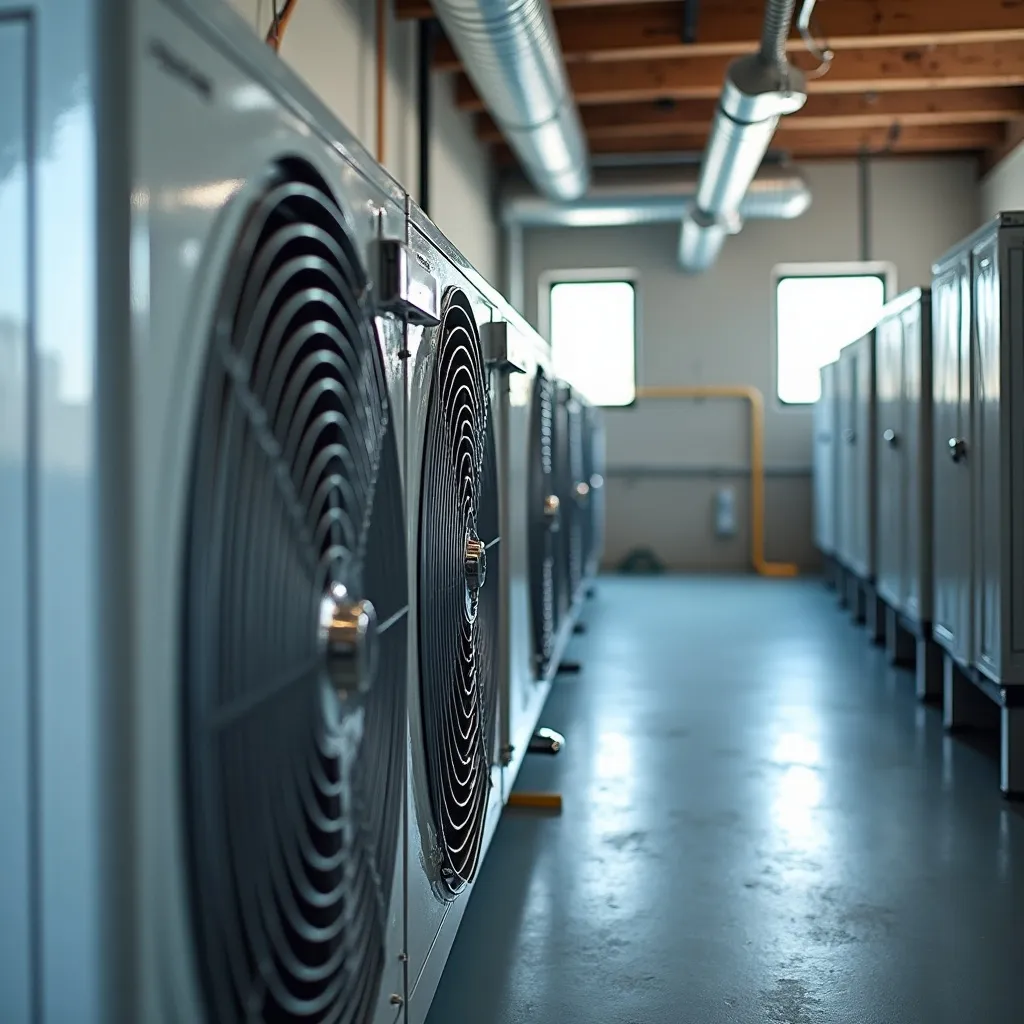
The Vital Importance of Scheduled Air Conditioning Maintenance
Regular air conditioning upkeep is crucial for peak performance and longevity of the system. A properly serviced air conditioning unit operates more efficiently, decreasing energy consumption and reducing utility bills. Routine checks can prevent minor issues from escalating into major problems, guaranteeing the system runs smoothly throughout the warmer months.
Furthermore, regular upkeep improves indoor air quality by eliminating dust, debris, and allergens that accumulate in the unit. This is especially important for households with respiratory concerns. Seasonal evaluations often include work like filter cleaning, refrigerant level checks, and electrical component inspection, which aid in system dependability and performance.
Investing in consistent upkeep not only maximizes the lifespan of the air conditioning unit but also promotes a agreeable home environment. Dwellers who prioritize routine maintenance can take advantage of tranquility, confident their system is prepared to handle the pressures of temperature changes.
How to Recognize When Your AC Needs Repair?
Recognizing when an cooling system calls for service is important for maintaining comfort and efficiency. Signals like unusual noises, inconsistent temperature output, and rising energy bills frequently indicate underlying issues. Spotting these red flags can enable residents respond promptly before more major issues occur.
Unusual Sounds From Unit
When an cooling system begins to produce unusual noises, it often signals possible problems that may need prompt action. Typical noises include clattering, which may suggest detached parts, or hissing, suggesting a refrigerant leak. A scraping sound could suggest motor problems, while a buzzing sound may signify wiring problems. These noises not only disrupt comfort but can also result in more extensive damage if neglected. Homeowners should pay attention to these warnings and consider consulting a skilled expert to identify and resolve the underlying problems. Prompt maintenance can prevent further complications and ensure the unit operates efficiently, maintaining a pleasant home space throughout the year. Ignoring these sounds may lead to expensive fixes eventually.
Inconsistent Heat Output
Air conditioning units making unusual sounds can often precede additional signs of malfunction, like unequal temperature output. Homeowners might detect that some rooms feel warmer or chiller than others, which suggests the system isn't distributing air properly. Moreover, it may take longer for the unit to reach the set point temperature, resulting in uneasiness. If the thermostat settings do not correspond with the actual room temperature, this discrepancy can signal a underlying issue. Inspecting for blocked vents or dirty filters is vital, since these factors can cause temperature variations. Consistent maintenance and timely response to these signs can ensure the air conditioning system functions optimally, providing a comfortable living environment throughout the year.
Increased Utility Bills
Many homeowners might observe a sudden spike in their energy bills, which can signal that their air conditioning system requires attention. This increased energy use is frequently attributed to several hidden problems, including dirty filters, refrigerant leaks, or damaged parts. These problems force the system to work harder to achieve the desired temperatures, resulting in increased running costs. Homeowners should regularly check their energy bills and contrast them with those from previous months or years for any discrepancies. Additionally, unusual sounds or lower cooling output can further indicate the need for repairs. Addressing these issues without delay can not only restore efficiency but also help avoid more severe problems and expenses later, ensuring a pleasant living environment year-round.
Grasping Critical Air Conditioning Support
Emergency air conditioning assistance are essential for homeowners encountering sudden cooling unit failures, notably during the sweltering summer months. Such services offer rapid assistance, ensuring that a broken unit does not compromise indoor comfort and health. Frequent issues demanding emergency attention include refrigerant leaks, compressor failures, and electrical problems, all of which can lead to inadequate cooling or complete system shutdown.
Homeowners need to recognize the significance of having access to dependable emergency related resource services. Swift response rates can minimize discomfort and avert further damage to the system. Also, many service providers provide 24/7 availability, fulfilling urgent needs regardless of the time of day.
Understanding the cues that warrant emergency AC services can empower homeowners to act promptly, ensuring their climate control units function effectively and productively. By prioritizing these services, homeowners can maintain a pleasant, cool residential space throughout the hottest months of the year.
The Case For Choosing Energy-Efficient AC Systems
Installing energy-efficient AC units provides significant advantages, such as lower electricity expenses. These modern systems not only use less electricity but also improve air quality inside your home through better air filtering and moisture regulation. As homeowners seek affordable and more health-conscious homes, energy-efficient models represent a strong choice.
Cut Power Expenses
Investing in eco-friendly air conditioning units can greatly reduce monthly energy bills. These modern systems employ cutting-edge technology to improve energy consumption, resulting in reduced operational costs. Traditional units often waste energy, leading to inflated bills during peak usage times. In contrast, energy-efficient models are designed to consume less power while maintaining excellent cooling performance. The initial investment in such units can be offset by significant savings over time, making them a cost-effective choice for homeowners. Additionally, many energy-efficient air conditioners qualify for rebates and incentives, further enhancing their cost-effectiveness. By upgrading to these units, homeowners not only contribute to environmental sustainability but also enjoy a more economical approach to cooling their living spaces.
Superior air quality indoors
Energy-efficient air conditioning units not only lower energy bills but also greatly enhance indoor air quality. These units are designed with advanced filtration systems that effectively screen out dust, allergens, and pollutants, leading to cleaner air circulation within the home. By controlling humidity levels, energy-efficient models prevent mold growth and the proliferation of bacteria, contributing to a healthier living environment. Additionally, many of these units operate more quietly than traditional models, curbing noise pollution and promoting a more serene atmosphere. Upgrading to energy-efficient air conditioning systems not only supports environmental sustainability but also prioritizes the well-being of the household, making it a smart choice for homeowners seeking both comfort and health benefits.
Seasonal Check-Ups for Top-Notch Air Conditioning Performance
When the warmer months begin, confirming your cooling system remains in top condition proves essential for maintaining indoor comfort levels. Routine tune-ups play an important role in optimizing AC operation, enhancing effectiveness, and increasing the unit's operational life. These thorough maintenance appointments generally include cleaning or replacing air components, reviewing refrigerant levels, and checking for likely leaks. HVAC technicians also review electrical components, maintain correct airflow, and inspect the evaporator and condenser coils.
Swift Remedies for Typical AC Malfunctions
Regular tune-ups can help avoid many problems, but even properly serviced air conditioning systems can encounter problems. Homeowners may encounter typical problems such as insufficient cooling, strange noises, or frequent cycling. A quick fix for insufficient cooling often requires examining the thermostat configuration and making sure they are adjusted properly. Additionally, inspecting and cleaning the air filters can enhance airflow and performance.
For unusual sounds, house owners should first inspect the unit for loose elements or obstructions. Fastening fasteners and eliminating obstructions can minimize many acoustic issues. If the AC frequently cycles on and off, evaluating the compressor and monitoring refrigerant levels can deliver solutions.
Ultimately, keeping the outdoor unit clear of debris can enhance overall functionality. While these quick fixes can tackle immediate problems, consulting a professional for recurring issues is advisable to stop further damage.
Strategies for Extending the Operational Life of Your AC System
A well-maintained air conditioning system can last considerably longer, ensuring comfort for homeowners year after year. Routine upkeep is essential; this includes changing filters every one to three months to promote efficient airflow. Expert evaluations should occur at least once a year to detect potential issues early.
Removing debris like leaves and dirt from the outdoor unit helps maintain peak performance. Homeowners should also check that vents and registers are unobstructed to allow proper air circulation throughout the home.
Furthermore, setting the thermostat to a moderate temperature can minimize strain on the system. Installing a automated thermostat allows for better energy management.
Finally, fitting a surge protector can safeguard the unit from electrical damage. By adhering to these strategies, homeowners can greatly extend the lifespan of their air conditioning systems while relishing a relaxing living environment.
Often Answered Questions
How what amount Does Air Conditioning Maintenance Typically Cost?
Air conditioning upkeep typically costs around $75 and $200 per session, depending on factors like system type and service provider. Regular maintenance can sustain the device's operational life and enhance efficiency, consequently saving on energy costs.
How Can You Spot the Signals of a Coolant Leak?
Indicators of a refrigerant leak feature hissing sounds, lower cooling capacity, frozen coils, and elevated energy bills. These signals indicate a need for skilled assessment to prevent further deterioration to the air conditioning system.
Can I Install an Air Conditioning System On My Own?
He found that having an AC unit installed by himself was possible, but involved technical knowledge and tools. Heeding professional standards and adhering to local requirements were critical to ensure safety and compliance with installation standards.
How Frequently Should I Replace My AC Filter?
Air filters generally require changing every one to three months, based on usage and the category of filter. Consistent upkeep improves air quality and system operation, eventually extending the operational life of the air conditioning unit.
What's the Average Life Expectancy of an Air Conditioning Unit?
The standard operational lifespan of an air conditioning unit commonly falls between 15 to 20 years, based on maintenance, usage, and model quality. Regular servicing is able to extend its longevity, maintaining top-tier efficiency throughout its operational life.
Report this page